Campaign · Editorial · Product · Concept
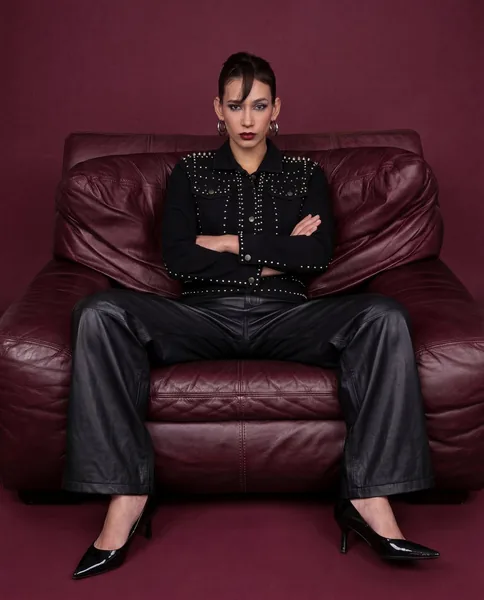
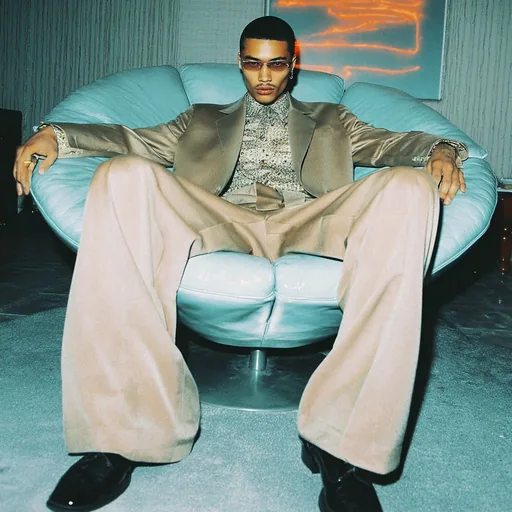
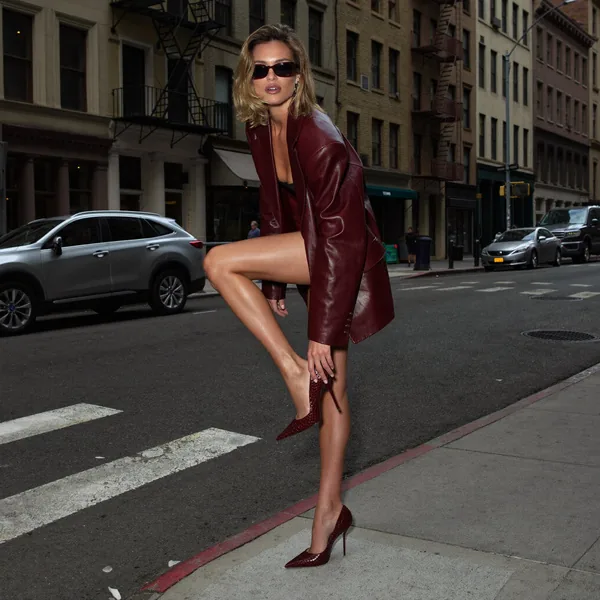
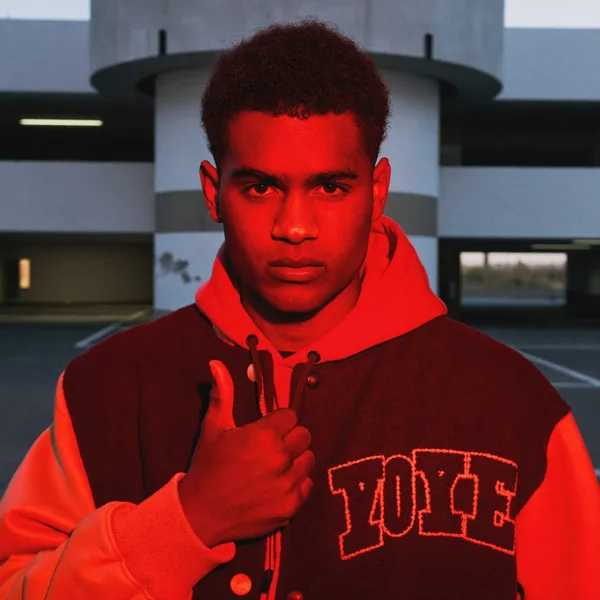
Every image here was produced end to end by our team with AI-assisted processes. Model, set, light and colour controlled; finished with professional retouching.
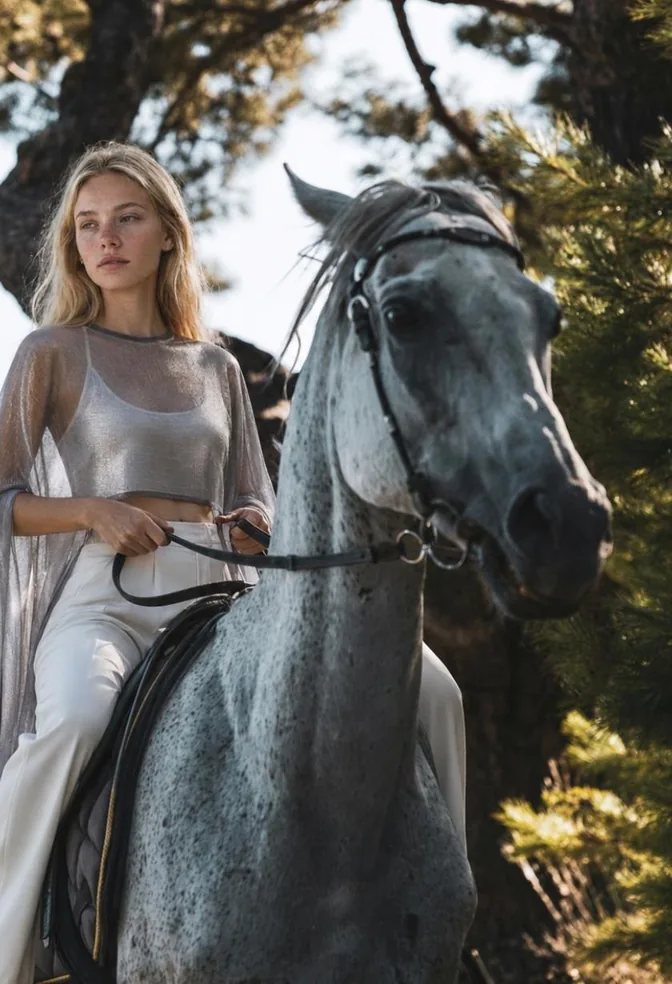
AI is not a testing ground for us; it is the centre of our daily production line.
TCM Global is a strategy-first creative studio. We start from the brand identity, design prompts with art-direction discipline, and produce photoreal campaign imagery, product scenes, lifestyle and concept shoots with AI.
Every image passes composition, light, colour and perspective control, and is brought to final quality through professional retouching.
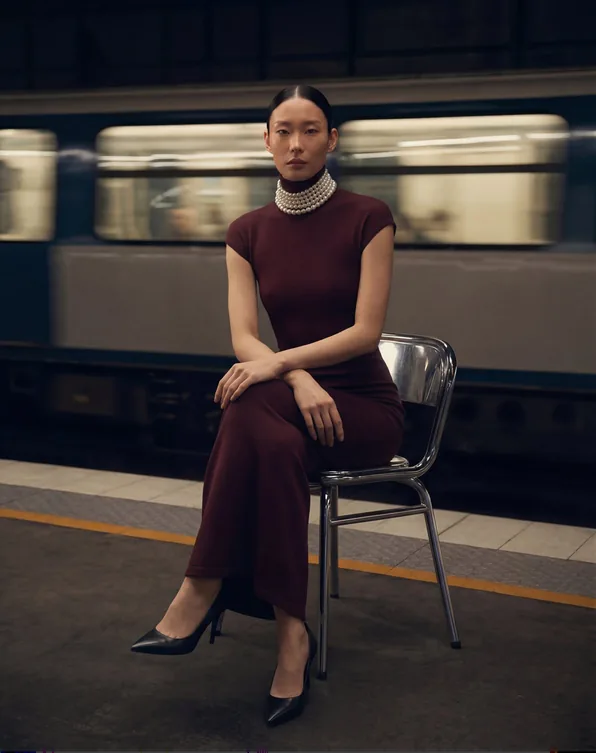
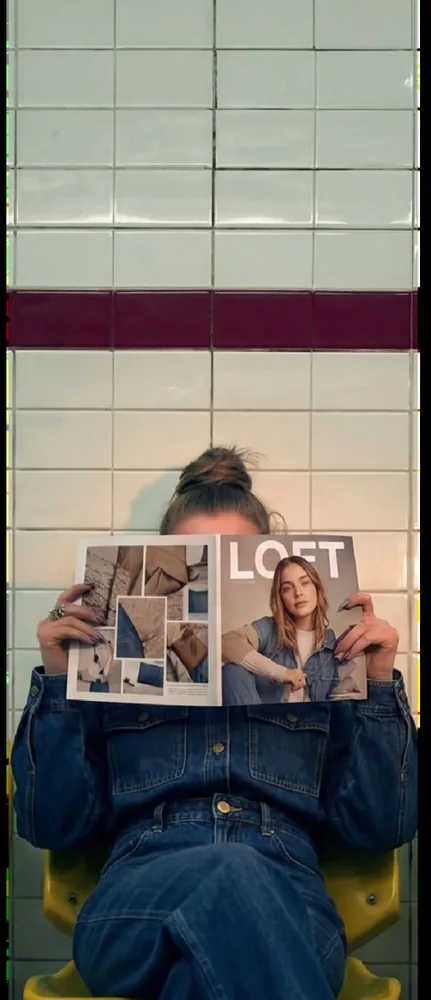
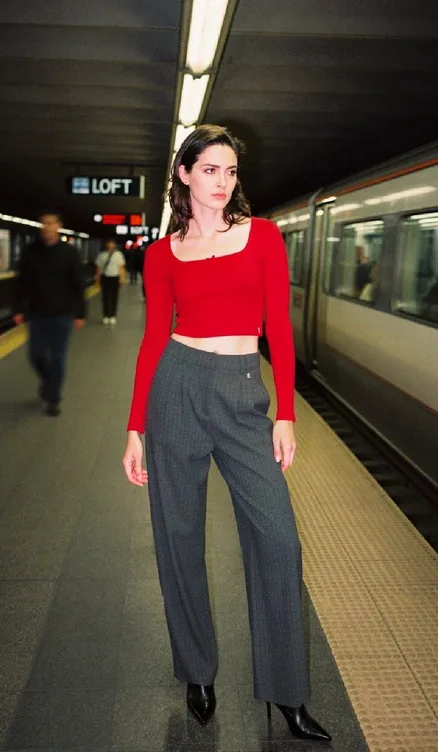
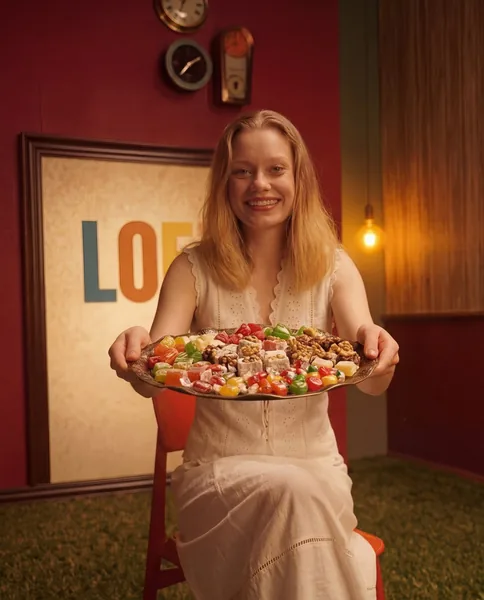

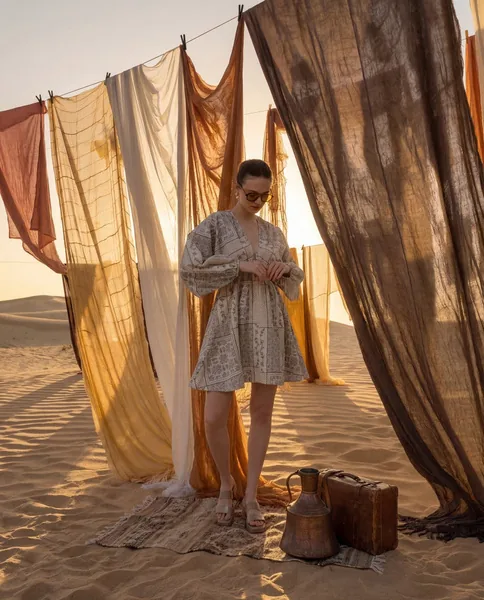
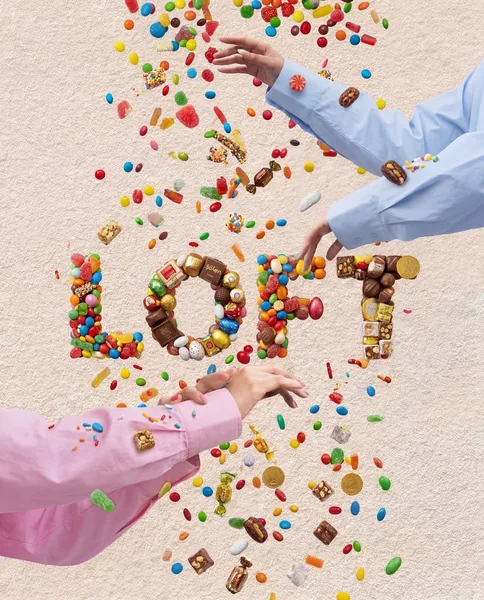
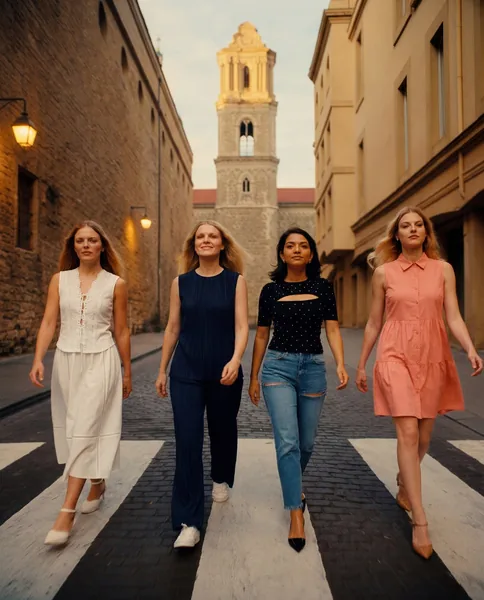
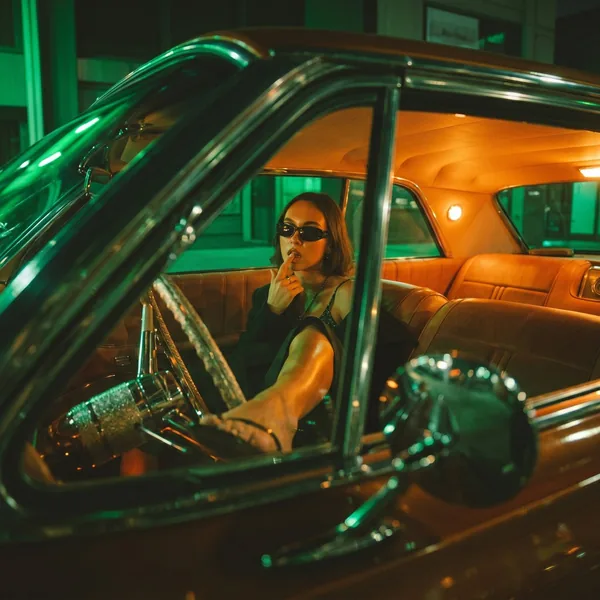
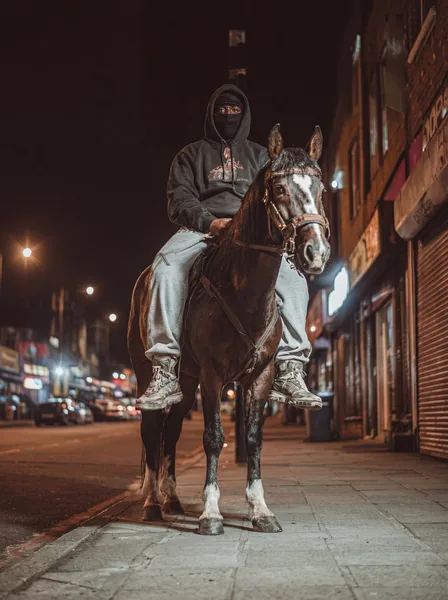
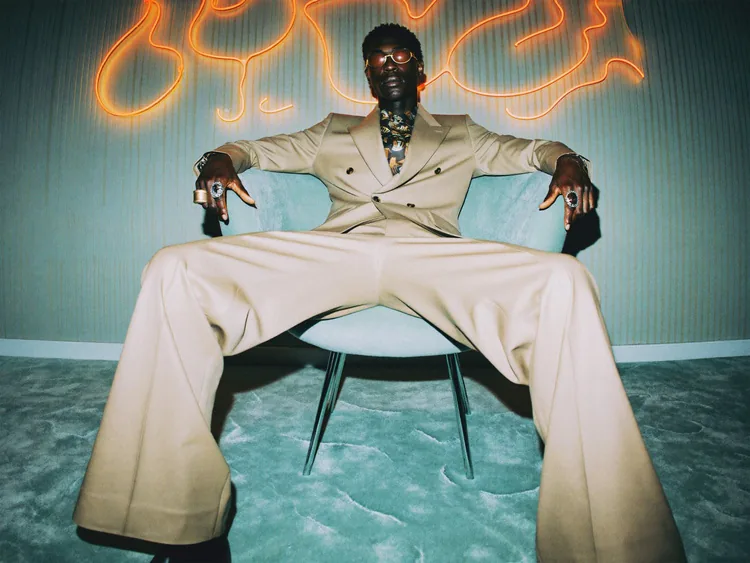
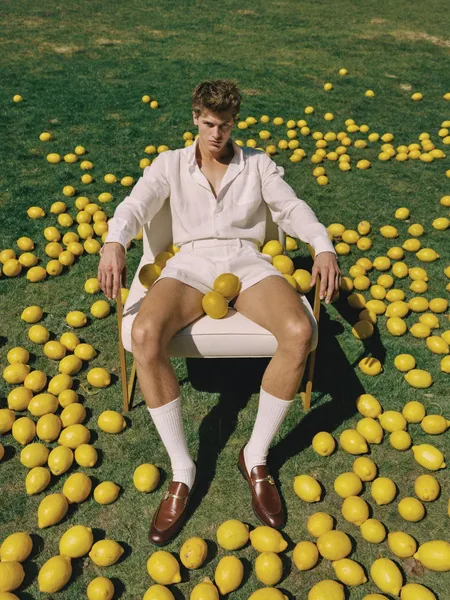
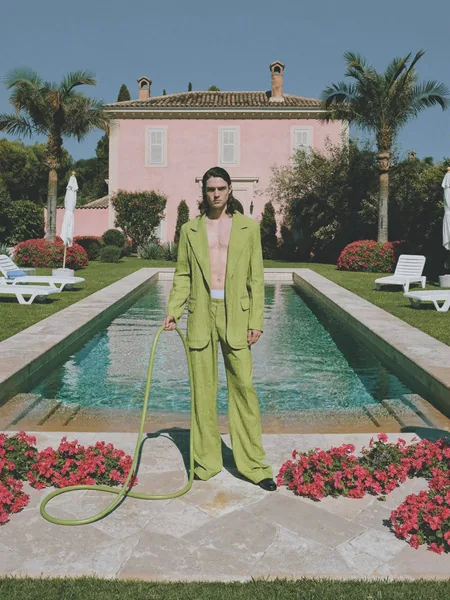
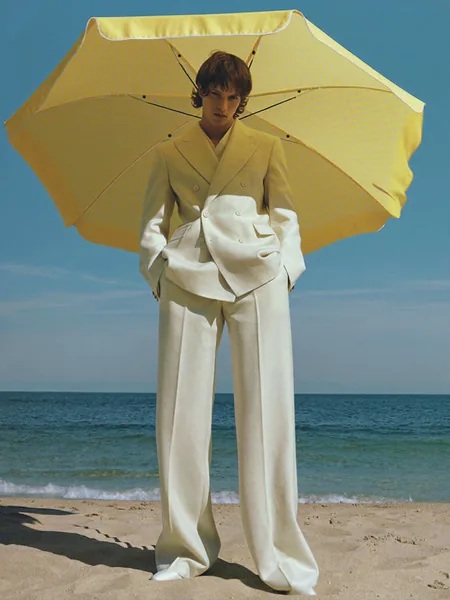
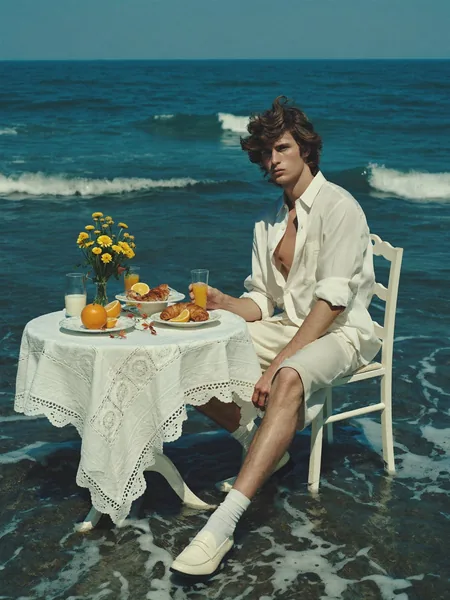
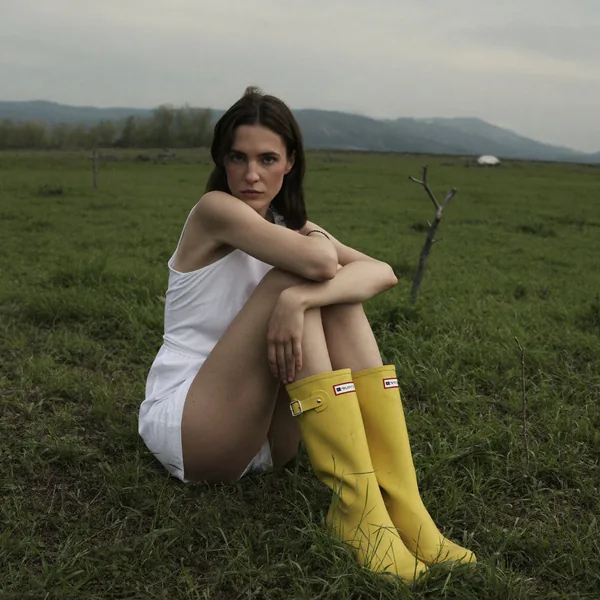
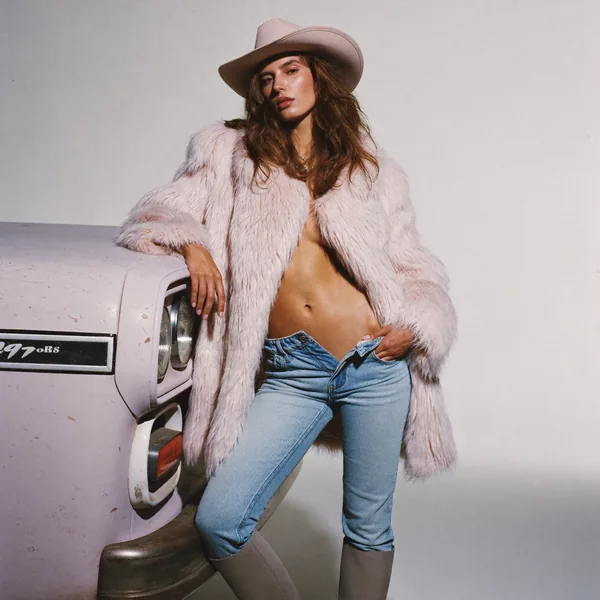





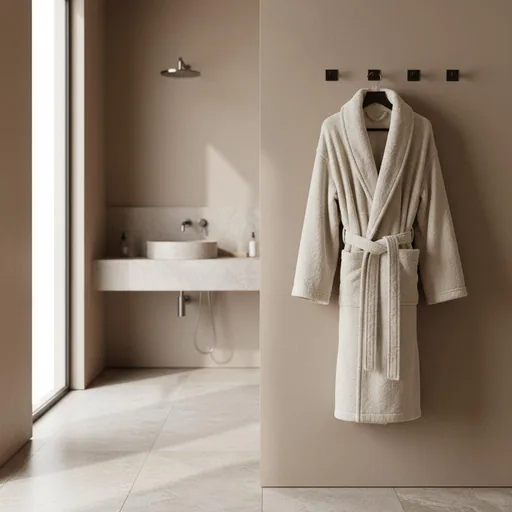
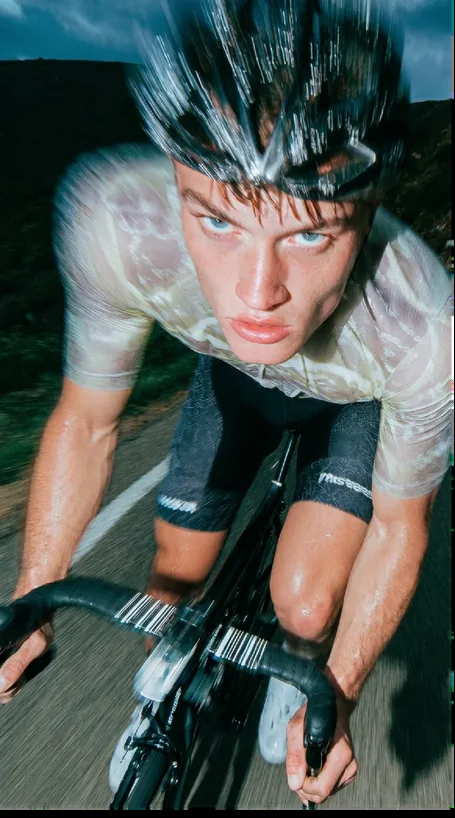
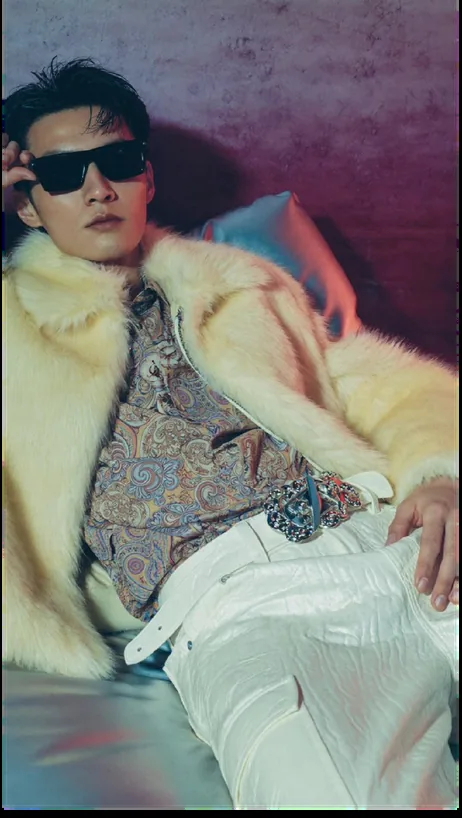

Click an image to open it full size
Editorial and campaign imagery, concept scene production
Photoreal model and product scenes, series production
Concept development, prompt iteration, variation production
Retouching, Generative Fill, colour grading, compositing
High-resolution upscaling, print and digital delivery prep
Brief & Art Direction
Brand identity, audience and channel needs are analysed; a moodboard and scene plan are produced.
Prompt Engineering
Controlled prompt sets are designed with composition, light, lens and colour palette parameters.
Production & Selection
Many variations are produced, then filtered against the brand language and technical quality criteria.
Retouching & Post-Production
Selected frames are brought to final quality in Photoshop with detail retouching, colour matching and upscaling.
Delivery & Adaptation
Adapted to social, web and print formats and delivered ready to use.
Let the next campaign be yours.
Tell us about the product; we will show a first selection within two days.
About AI production
How does TCM Global use AI?
AI is not what TCM sells; it is one of the tools inside the brand and product development engine. Its most visible use is campaign and product imagery: photoreal images can be produced in days without building a set or budgeting for models and locations. The business consequence is that the brand reaches the market faster and at lower cost. Separately, AI transformation inside the company. Getting teams using AI in their daily work. Is part of the Strategy & Transformation engine.
Can AI imagery replace real photography?
Not in every case. Where the product itself has to look exactly right. Food packaging, products where scale and texture are critical, imagery that needs certification, a real shoot is required. AI is strong in campaign, concept, lifestyle and editorial imagery: building the brand's world, moving from moodboard to campaign quickly, testing the same product across dozens of scenes. In practice the two are used together.
Which tools are used?
Midjourney for editorial and campaign imagery, Higgsfield for photoreal model and product scenes, DALL·E and GPT for concepts and variations, Photoshop for retouching and Generative Fill, then upscaling and post-production. The tools change constantly; what decides the result is not the tool but the art direction and the selection stage.
How long does an AI image set take to deliver?
With a clear brief, a typical campaign set is ready within days. The process has five stages: brief and art direction, prompt engineering, production and selection, retouching and post-production, delivery and adaptation. The longest stage is not production but selection. Sifting the ones that genuinely fit the brand out of hundreds of outputs takes time. Compared with a conventional set shoot, the difference is days instead of weeks.
Who owns the rights to the images produced?
Usage rights to delivered images belong to the client and are handed over for commercial use. The scope is written explicitly into the agreement. Whether images produced for a brand may appear in TCM's portfolio is agreed separately.
Can AI visualisation be bought as a standalone service?
Yes, it can. But it is not TCM's core business: image production is a capability inside the brand and product development engine. TCM does work with companies that want imagery alone, though the best results come from projects where the imagery is part of a brand strategy. because there the image is produced to sell rather than to decorate.